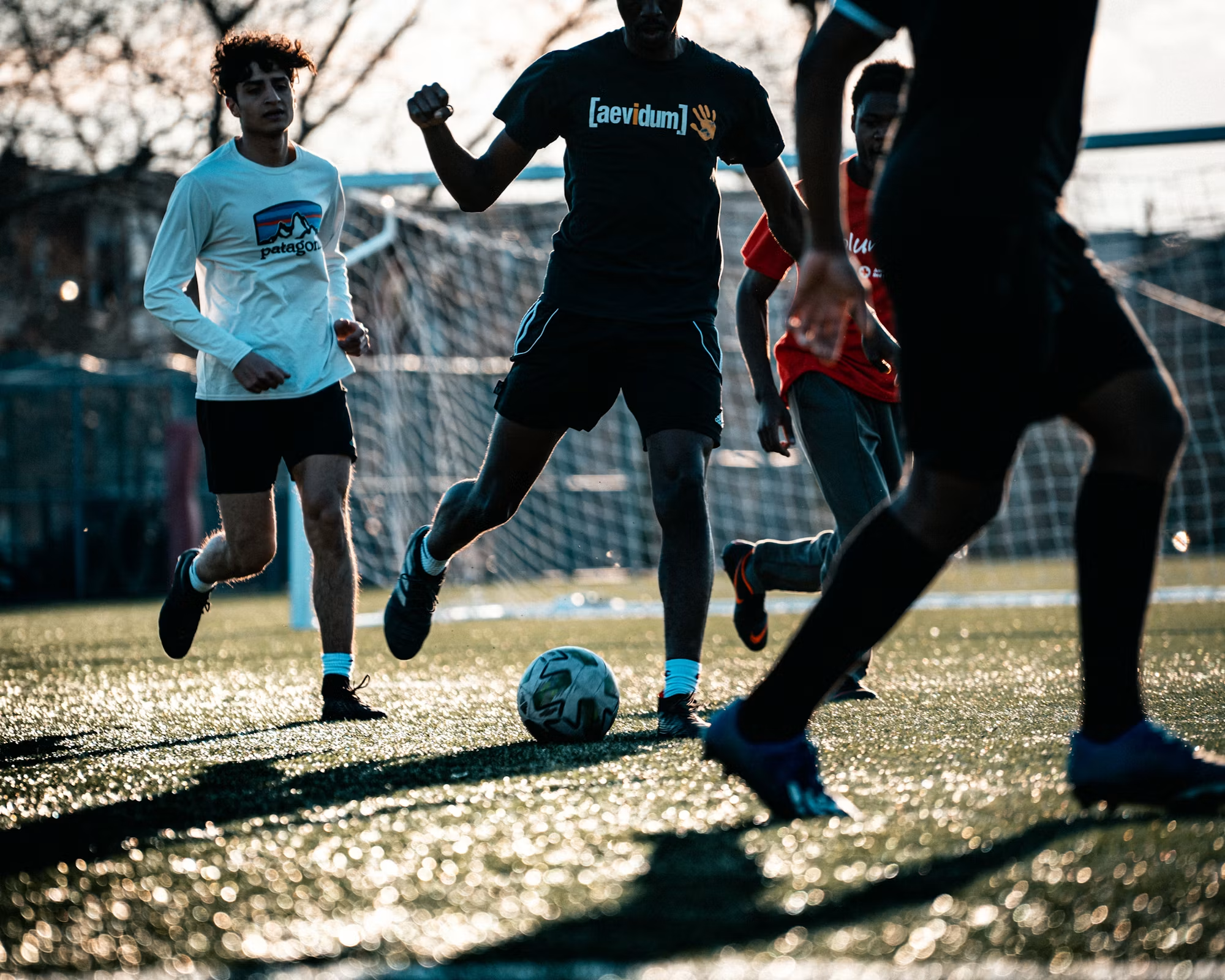
The Heartbeat of Soccer: Exploring the Culture and Community Surrounding the Game
Soccer, known as football to most of the world, transcends mere sport; it embodies a culture rich in history, passion, and community. From local parks to grand stadiums, the love for the game creates a unique bond among fans, players, and teams. This article delves into the vibrant culture surrounding soccer, exploring fan engagement, traditions, rivalries, and the deep emotional connections that define the sport.
The Role of Fans in Soccer
At the heart of soccer lies its passionate fanbase, which plays a pivotal role in creating the atmosphere during matches. Fans are not merely spectators; they are active participants who breathe life into the game. Their chants, cheers, and even sighs echo throughout stadiums, contributing to an electric environment that can inspire players to perform at their best.
Different regions have developed distinct fan cultures. In England, for example, clubs like Liverpool and Manchester United have storied rivalries, with fans showcasing their loyalty through songs and flags. The Anfield chant, “You’ll Never Walk Alone,” is a testament to the deep emotional ties fans have with their club, uniting them in hope and solidarity. Similarly, in South America, the fervor of supporters can turn matches into unforgettable experiences, with vibrant displays of color, drums, and chants that resonate throughout stadiums.
Traditions and Rituals
Soccer culture is steeped in traditions that vary from one country to another. These customs often reflect the local heritage and the deep-rooted history of the clubs. For instance, in Italy, it is common for fans to gather outside stadiums before matches, sharing food and drinks while discussing tactics and predictions. This pre-match ritual fosters a sense of community and excitement, setting the stage for the game ahead.
In many countries, the passion for soccer is celebrated through various rituals. In Brazil, for example, fans often engage in samba music and dance, celebrating their team’s spirit and bringing an infectious energy to matches. The combination of music, dance, and soccer exemplifies the joyful nature of Brazilian culture, emphasizing how the sport can serve as a unifying force.
Iconic Rivalries
Rivalries in soccer are legendary, often defined by years of competition, historical context, and geographical proximity. These matches, known as derbies, evoke intense emotions and anticipation among fans. One of the most famous rivalries is the Superclásico between Boca Juniors and River Plate in Argentina, where the clash of blue and yellow against red and white creates an atmosphere charged with passion and pride.
In Spain, the rivalry between FC Barcelona and Real Madrid, known as El Clásico, goes beyond soccer, representing historical and political tensions that resonate within the country. These matches are more than just games; they are a showcase of culture, identity, and the unyielding spirit of the fans. The stakes are high, and the atmosphere is electric, making these encounters some of the most-watched events in the sports world.
The Emotional Connection
The emotional connection between fans and their teams is a defining characteristic of soccer culture. For many, supporting a club is akin to being part of a family, providing a sense of belonging and identity. This connection can evoke a wide range of emotions—from joy during victories to heartbreak in defeats. The highs and lows of the season intertwine with the lives of fans, creating shared experiences that strengthen their bond.
The stories of individual fans often reflect the larger narrative of the club. For example, some fans have dedicated their lives to supporting their teams, passing down their love for soccer through generations. This sense of legacy not only enhances the emotional connection but also ensures that the culture of the sport remains vibrant and alive.
Soccer and Social Identity
Soccer also serves as a means of expressing social identity. Fans often see their clubs as representations of their communities, values, and aspirations. Supporting a local team can foster a sense of pride, while international tournaments like the FIFA World Cup elevate national identity on a global stage. The passion displayed by fans during these events showcases the intersection of sport and social identity, revealing how soccer can unify diverse populations under a common cause.
In recent years, soccer has also become a platform for social movements. Players and fans alike have used their voices to advocate for change, addressing issues such as racial equality, gender rights, and social justice. This evolution in the sport’s culture demonstrates how soccer transcends the field, becoming a catalyst for broader societal conversations.
The Global Impact of Soccer Culture
Soccer’s cultural impact extends beyond borders, connecting people from different backgrounds and fostering understanding. Major tournaments attract global audiences, uniting fans who may have never met otherwise. The beauty of soccer lies in its ability to break down barriers, creating shared moments of joy and camaraderie.
International clubs often tour different countries, allowing fans from around the world to engage with their favorite teams. These tours not only promote the sport but also strengthen global ties among fans, creating a diverse community united by a love for soccer. The presence of soccer academies around the world further nurtures this sense of community, helping young players develop their skills while fostering a love for the game.
Youth Development and Grassroots Initiatives
The future of soccer culture depends significantly on youth development and grassroots initiatives. Many clubs and organizations prioritize nurturing young talent, providing training, resources, and mentorship. Grassroots programs play a crucial role in introducing children to the sport, emphasizing skill development, teamwork, and sportsmanship.
These initiatives not only create pathways for aspiring players but also promote inclusivity and diversity within the sport. By engaging young people from various backgrounds, soccer fosters a culture of unity and shared passion. As children grow into dedicated fans and players, they carry forward the values and traditions that define soccer culture.
Conclusion
Soccer is more than just a game; it is a cultural phenomenon that weaves together communities, traditions, and identities. The vibrant culture surrounding the sport is evident in the passion of its fans, the rituals that accompany matches, and the rivalries that ignite emotions. As soccer continues to evolve, its cultural significance will undoubtedly grow, further solidifying its role as a unifying force in a diverse world. By celebrating the connections forged through the sport, we ensure that soccer remains a beloved and integral part of global culture for generations to come.